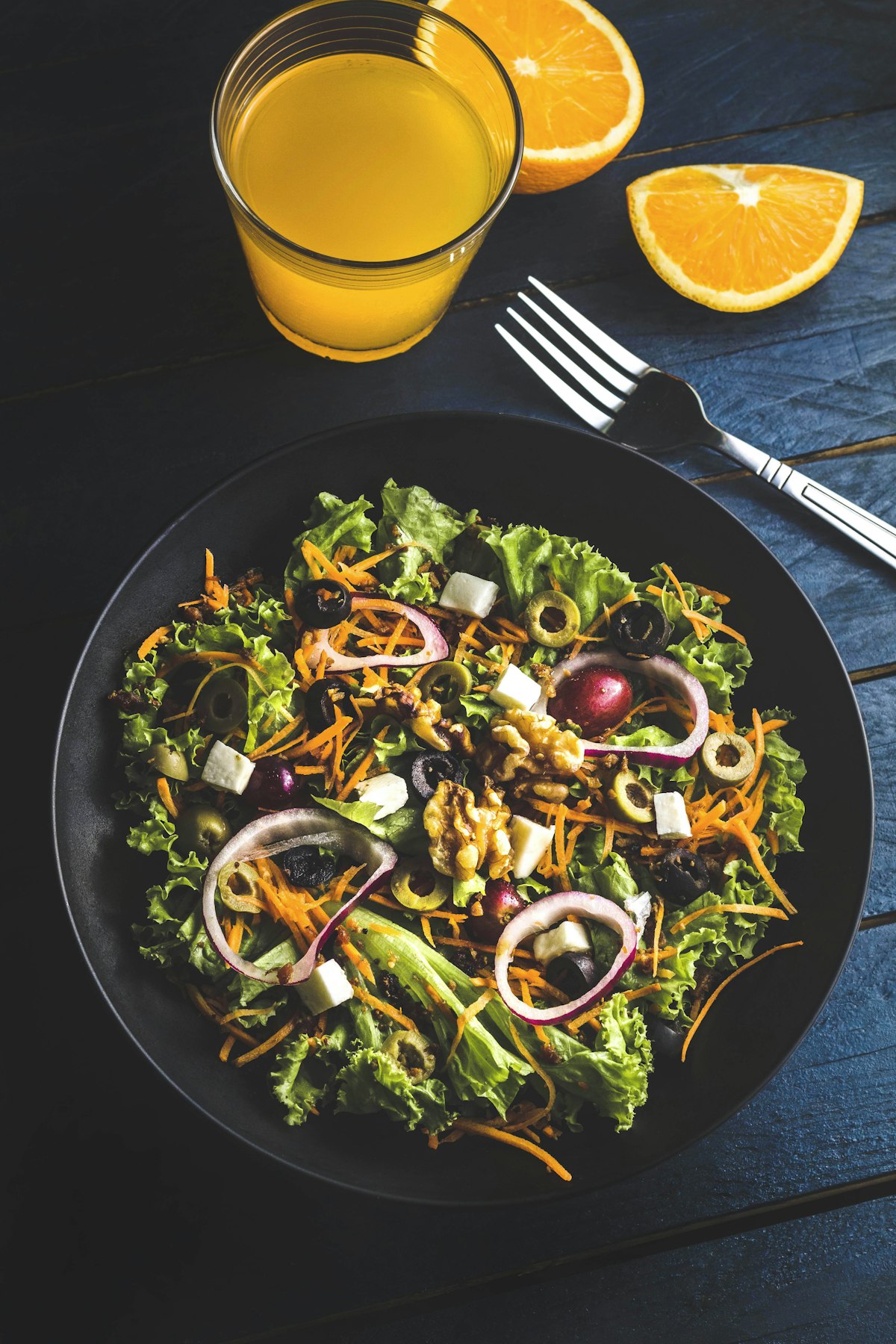
Vegan Catering for 100+ Guests: A Complete Planning Guide for Large Events
Expert guide to planning vegan catering for 100+ guests. Covers menu planning, logistics, timing, staffing, and budget for successful large-scale events in Toronto.

Planning vegan catering for 100+ guests requires more than just scaling up a small event menu. After catering hundreds of large-scale events across Toronto—from 150-person corporate conferences to 300-guest weddings—we’ve learned that success comes down to meticulous planning, strategic menu design, and experienced execution.
Whether you’re organizing a company-wide celebration, industry conference, or milestone wedding, this guide will walk you through every consideration for flawless large-event vegan catering.
Why Large-Scale Vegan Catering Is Different
Catering for 100+ guests introduces unique challenges that smaller events don’t face:
Temperature Management: Keeping 150 servings of food at optimal temperature requires professional holding equipment, not just chafing dishes.
Service Flow: A 40-person event might use one buffet line; 200 guests need two to three stations to prevent bottlenecks and keep food service under 30 minutes.
Food Safety at Scale: What works for 30 guests creates risk at 150. Proper cold chain management, time-temperature monitoring, and safe holding protocols become critical.
Dietary Complexity: With 100+ guests, you’re statistically guaranteed multiple allergies. We typically see 8-12% of large-event guests with documented allergies (gluten, nuts, soy) that require ingredient tracking and sometimes separate preparation.
These aren’t problems—they’re planning factors. With the right approach, large-scale vegan events run as smoothly as intimate gatherings.
Timeline: When to Start Planning
6-8 Months Before (Ideal)
- Secure your caterer and venue
- Finalize guest count estimates (expect ±15% variance)
- Establish budget parameters
- Book any rental equipment if venue lacks adequate infrastructure
We book our busiest dates (May-June, September-October) 8-12 months in advance. If you’re planning a large event during peak season, earlier is always better.
3-4 Months Before
- Finalize menu selections with tasting
- Confirm dietary restrictions collection process
- Schedule venue walkthrough with catering team
- Finalize service style (buffet, stations, plated)
- Confirm staffing requirements and timeline
6-8 Weeks Before
- Lock in guaranteed guest count
- Submit final dietary restriction list
- Confirm delivery/setup timeline with venue
- Review equipment needs (tables, linens, serviceware)
2 Weeks Before
- Final headcount adjustment (last chance for significant changes)
- Confirm setup and breakdown timing
- Review day-of contact information
3 Days Before
- Absolute final headcount (±5% acceptable)
- Confirm delivery access and parking
- Final walkthrough communication with point person
Menu Planning Strategies for Large Groups
Start With Crowd-Pleasers, Add Complexity Thoughtfully
For events over 100 guests, we recommend a balanced approach:
Base Menu (70-75% of offerings): Universally appealing dishes that work for most dietary needs—grain bowls, roasted vegetables, substantial salads, pasta dishes. These anchor your menu.
Signature Items (20-25%): Elevated dishes that showcase what vegan cuisine can be—smoked jackfruit, artisan flatbreads, creative seasonal preparations.
Accommodation Items (5-10%): Gluten-free, nut-free, or soy-free options for documented restrictions.
A 150-person corporate lunch might feature:
- Mixed greens salad with maple balsamic (base, gluten-free)
- Mediterranean grain bowl with roasted vegetables (base)
- Jerk-spiced jackfruit with coconut rice (signature)
- Seasonal vegetable pasta (base)
- Gluten-free quinoa power bowl (accommodation)
- Assorted desserts with marked allergen information
Calculate Portions Precisely
Standard portion guidelines for 100+ guests:
Buffet-Style Events (guest serves themselves):
- Proteins/mains: 6-8 oz per person
- Sides/starches: 4-5 oz per portion
- Salads/vegetables: 4 oz per serving
- Desserts: 3-4 oz per guest
Plated Service (pre-portioned):
- Mains: 8-10 oz
- Sides: 5 oz each (typically two sides)
- Salad course: 4-5 oz
- Dessert: 4-5 oz
Important: Build in 10-12% overage for buffets. Some guests take larger portions; others return for seconds. Plated service requires only 3-5% overage.
For a 125-person buffet with three mains, you need approximately:
- 110 lbs total main dishes (divided across options)
- 65 lbs total sides
- 50 lbs salad
- 35 lbs dessert
Design for Efficient Service Flow
Buffet Best Practices for Large Groups:
Multiple Stations: For 100-150 guests, plan two identical buffet lines. For 200+, consider three stations or specialized food stations (grain bowls, taco bar, pasta station).
Strategic Layout: Place high-volume items (salads, starches) at beginning of line. Position slower-serving items (proteins, sauced dishes) in middle. End with condiments and utensils.
Mirror Both Sides: If using double-sided buffets, ensure identical offerings on each side. Guests get frustrated when one line has items the other doesn’t.
Station Service Time: Expect 3-4 minutes per guest through a well-organized buffet line. Two lines serve 100 guests in approximately 25-30 minutes.
Service Styles Compared
Buffet Service (Most Popular for 100+)
Best For: Corporate events, casual celebrations, conferences, networking events
Advantages:
- Cost-effective ($32-48/person for our corporate catering)
- Guest choice and dietary control
- Flexible timing—guests serve themselves as they’re ready
- Lower staffing requirements
Considerations:
- Requires space for buffet setup and guest flow
- Service takes 25-40 minutes depending on line configuration
- Some guests uncomfortable serving themselves at formal events
Staffing: 1 chef/kitchen manager + 1 service staff per 40-50 guests for replenishment and maintenance
Food Stations (Interactive & Engaging)
Best For: Evening receptions, galas, networking events with extended service windows
Format: 3-4 specialized stations (taco bar, Asian noodle station, Mediterranean mezze, dessert bar) positioned around venue
Advantages:
- Highly interactive and engaging
- Reduces crowding—guests circulate rather than queue
- Showcases culinary creativity
- Extended service window (90+ minutes)
Considerations:
- Requires more space than single buffet
- Higher staffing needs (attendant per station)
- Typically higher per-person cost ($45-65/person)
Staffing: 1 attendant per station + 1 event coordinator + 1 kitchen manager
Plated Service (Most Formal)
Best For: Galas, formal weddings, awards dinners, seated conferences
Advantages:
- Most elegant presentation
- Controlled portions and timing
- Works well with formal programs and speeches
- Professional service elevates event atmosphere
Considerations:
- Requires advance meal selections (especially for large groups)
- Highest staffing requirements
- Longest service time (45-60 minutes for 150 guests)
- Premium pricing ($55-85/person)
Staffing: 1 server per 15-20 guests + 2-3 kitchen staff + 1 event coordinator
Drop-Off Service (Budget-Conscious)
Best For: Office events, training sessions, casual gatherings with in-house setup support
Format: Food delivered in disposable or returnable containers, client handles setup/service
Advantages:
- Most affordable option ($22-35/person)
- Flexible timing—order for specific delivery window
- No staffing costs included
- Works well for multi-day conferences
Considerations:
- Client responsible for setup, service, cleanup
- No temperature monitoring after delivery
- Limited to 2-hour safe holding time
- Food presentation less refined
Best Practices: Works excellently for 100+ when you have venue staff or volunteers to manage setup. Learn more about our drop-off catering options.
Logistics & Operational Considerations
Kitchen & Venue Requirements
Essential Questions for Your Venue:
-
Kitchen Access: Is there an on-site kitchen? If so, what equipment is available (ovens, warming units, refrigeration)?
-
Delivery Access: Loading dock or street-level entrance? Elevator access? Parking restrictions? Distance from entry to service area?
-
Power Availability: How many 120V outlets in service area? Any 220V available? Circuit capacity?
-
Setup Space: Square footage available for buffet/service? Table dimensions and quantity?
-
Timing: When can caterers access space? When must breakdown be complete?
For venues without adequate kitchen facilities, we bring:
- Commercial warmers and holding equipment
- Portable refrigeration units (for cold stations)
- Hot boxes for temperature-critical items
- Backup propane-powered equipment
Setup Space Requirements:
- Standard 8-foot buffet table serves 80-100 guests (single line)
- Double-sided buffet table serves 120-150 guests
- Allow 3-4 feet clearance behind buffet for staff access
- Plan 18-24 inches per guest at seated tables
Staffing Requirements
Professional staffing makes or breaks large events. Here’s what adequate coverage looks like:
100-150 Guests (Buffet):
- 1 executive chef/kitchen manager
- 2-3 line cooks for final prep and plating
- 3-4 service staff for buffet maintenance, clearing, support
- 1 event coordinator for client liaison and timeline management
- Total: 7-9 staff
200-250 Guests (Buffet):
- 1 executive chef
- 3-4 line cooks
- 5-6 service staff
- 1-2 event coordinators
- Total: 10-13 staff
150 Guests (Plated):
- 1 executive chef
- 2-3 line cooks
- 8-10 servers (1 per 15-18 guests)
- 1 event coordinator
- Total: 12-15 staff
Labor costs typically represent 28-35% of total catering expense for full-service events.
Equipment & Rentals
What Most Caterers Provide:
- Chafing dishes and fuel
- Serving utensils
- Basic buffet setup (risers, linens for food tables)
What You Often Need to Rent:
- Guest tables and chairs (unless venue provides)
- Linens for guest tables
- China, glassware, flatware (if not using disposables)
- Specialty equipment (carving stations, bar setup, coffee service)
Budget Guidance: For 150 guests, rental costs typically add $12-25 per person depending on serviceware quality and linen choices.
Sustainable Option: We offer compostable bamboo plates and cutlery that look elegant while reducing environmental impact ($3-5/person upcharge vs. standard disposables).
Budget Planning & Cost Breakdown
Realistic Per-Person Pricing
Drop-Off (Minimal Service):
- Basic packages: $22-28/person
- Premium menus: $30-38/person
Buffet (Full Service):
- Standard corporate menus: $35-45/person
- Premium/dinner menus: $48-60/person
Food Stations:
- Multiple stations with attendants: $50-70/person
Plated Service:
- Three-course dinner: $65-85/person
- Four-course elevated: $90-120/person
These prices typically include:
- Food and preparation
- Service staff
- Basic equipment and setup
- Standard disposables or serviceware
- Delivery and breakdown
Not Usually Included:
- Venue rental
- Table/chair rentals (if venue doesn’t provide)
- China/glassware rentals (for elevated service)
- Bar service and beverages
- Gratuity (typically 18-20% for excellent service)
- Sales tax
Sample Budget: 150-Person Corporate Lunch
Full-Service Buffet at $42/Person:
- Food & Service: $6,300
- Equipment Rentals (linens, serving pieces): $450
- Gratuity (18%): $1,215
- Tax (13% HST in Ontario): $1,035
- Total: $9,000 ($60/person all-in)
Cost-Saving Strategies Without Compromising Quality:
-
Choose Lunch Over Dinner: Lunch menus typically cost 20-30% less than dinner with similar guest satisfaction.
-
Select Seasonal Ingredients: Winter root vegetables and summer produce at peak cost significantly less than off-season or imported specialty items.
-
Optimize Service Style: Buffet service costs 30-40% less than plated while maintaining food quality.
-
Simplify Bar Service: Beer, wine, and soft drinks cost far less than full open bar with cocktails ($8-12/person vs. $25-35/person).
-
Strategic Menu Design: Three well-executed mains with complementary sides impresses more than six mediocre options. Focus on quality over quantity.
Managing Dietary Restrictions at Scale
With 100+ guests, dietary accommodations become statistically inevitable. Here’s our systematic approach:
Collection Process
6-8 Weeks Before Event:
- Include dietary restriction field on RSVP/registration
- Ask for specific restrictions, not just “vegetarian” (they’re already eating vegan!)
- Request allergy severity information for critical allergies
Sample RSVP Question: “Do you have any food allergies or dietary restrictions we should know about? (Please specify: gluten-free, nut allergy, soy-free, etc.)”
Common Restriction Patterns
In our experience with 100+ guest events:
- 8-12% have documented gluten intolerance/celiac
- 3-5% have tree nut or peanut allergies
- 2-4% have soy allergies
- 1-2% have severe allergies requiring dedicated preparation
Planning Approach:
Build Accommodations Into Main Menu: Design 50-60% of offerings to be naturally gluten-free (grain bowls with GF grains, roasted vegetables, certain salads).
Clearly Label Everything: Use buffet cards or tent cards identifying: gluten-free, nut-free, soy-free, major allergens.
Prepare Separate Plates for Severe Allergies: For guests with anaphylaxis-level allergies, we prepare individually labeled plated meals in dedicated allergy-free prep space.
Communicate With Your Caterer: Provide the complete restriction list 3-4 weeks before your event. Last-minute allergies are difficult to accommodate safely at scale.
Day-Of Execution: Timeline
Typical Setup Timeline for 150-Guest Noon Buffet:
8:00 AM - Catering team arrives at venue
- Unload equipment and food from truck
- Begin kitchen/prep space setup
- Set up warming and holding equipment
8:30 AM - Final preparation begins
- Plate cold items (salads, cold sides)
- Begin reheating hot items in controlled manner
- Prepare garnishes and finishing touches
10:30 AM - Buffet setup
- Stage all food in holding equipment
- Set up buffet line with linens and décor
- Arrange serving utensils and buffet cards
- Final temperature checks on all hot items
11:45 AM - Final quality check
- Chef inspects every dish
- Staff briefing on service flow and special dietary needs
- Guest tables receive water and bread service (if applicable)
12:00 PM - Service begins
- Staff guides guests through buffet flow
- Continuous monitoring and replenishment
- Water and beverage service
12:45 PM - Main service complete
- Most guests served
- Staff begins subtle clearing of empty tables
- Dessert and coffee service begins
1:30 PM - Breakdown begins
- After final guests served
- Pack equipment systematically
- Leave venue clean and orderly
2:00 PM - Departure
Total on-site time: 6 hours for a 90-minute service window. Large events require significant setup and breakdown time.
Red Flags: When to Walk Away from a Caterer
Unrealistic Timelines: If a caterer says they can set up a 150-person buffet in 30 minutes, they’re cutting corners. Proper setup takes 2-3 hours minimum.
Vague Answers About Dietary Accommodations: “We’ll figure it out” isn’t acceptable for nut allergies or celiac. Professional caterers have documented protocols.
No Tasting Offered: You should never commit to large-event catering without tasting the food, especially at this investment level.
Unclear Contracts: Professional caterers provide detailed proposals specifying menu, service style, staffing levels, included equipment, and cancellation policies.
No Insurance or Licensing: Verify liability insurance and proper health department permits. This protects you if something goes wrong.
Making Your Final Decision
Book a tasting for any caterer you’re seriously considering. Taste 4-5 representative menu items to assess quality, portion sizes, and presentation standards.
Check recent references from events of similar size. A caterer excellent at 40-person events may lack infrastructure for 150+.
Review the detailed proposal line by line. Understand exactly what’s included, what costs extra, and when payments are due.
Trust your instincts about professionalism and communication. If a caterer is hard to reach during planning, they’ll be hard to reach when problems arise.
Ready to Plan Your Large-Scale Event?
After catering hundreds of Toronto events from 100 to 400+ guests, we’ve refined every aspect of large-scale vegan catering. Our team brings dedicated event coordinators, experienced chefs, and the equipment infrastructure that large events demand.
Request a detailed quote for your upcoming event. We’ll provide a comprehensive proposal with menu options, service recommendations, and transparent pricing.
For corporate events and business functions, explore our corporate catering services with specialized menus designed for professional settings.
Looking for a more budget-friendly option for office events? Our drop-off catering works excellently for training sessions, meetings, and multi-day conferences where you have setup support.
Questions about your specific event? Call us at (416) 475-6945 or email through our contact form. We’re here to make your large-scale vegan event flawless, delicious, and memorable for every single guest.
Written by
Animal Liberation Kitchen
Toronto's premier plant-based catering team, creating memorable culinary experiences for weddings, corporate events, and private celebrations.