The Complete Guide to Dietary Accommodations for Events
How to accommodate vegan, gluten-free, nut-free, and other dietary needs at your event. A practical guide for hosts and event planners.
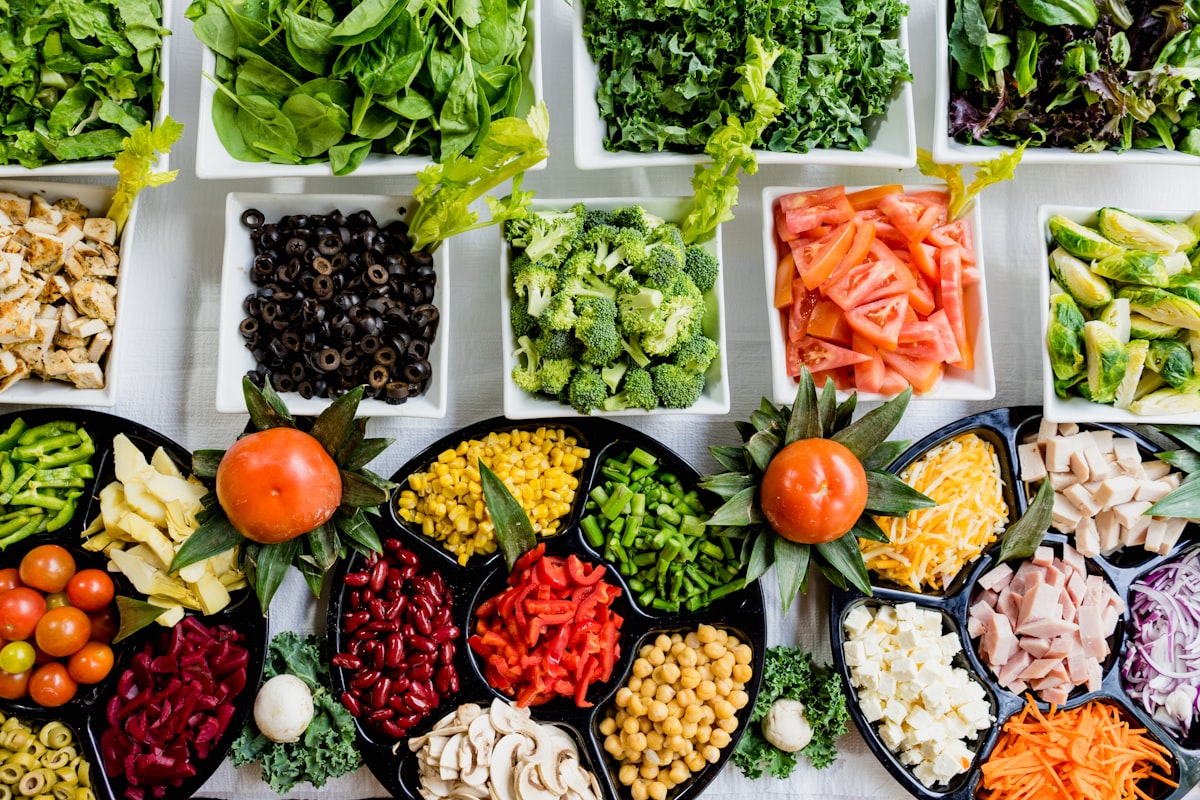
Modern events require thoughtful attention to dietary needs. Guests with allergies, intolerances, religious requirements, or lifestyle choices deserve the same delicious experience as everyone else—not a sad afterthought plate.
This guide covers the most common dietary accommodations and practical strategies for inclusive event planning.
The Most Common Dietary Needs
Understanding what each dietary requirement actually means helps you plan effectively:
Vegan
Excludes: All animal products—meat, poultry, fish, dairy, eggs, honey, and often gelatin Why: Ethical beliefs, environmental concerns, or health choices Common mistakes: Hidden dairy in bread, butter in vegetables, fish sauce in Asian dishes
Vegetarian
Excludes: Meat, poultry, and fish (but includes dairy and eggs) Why: Health, ethics, religion, or personal preference Common mistakes: Assuming “no meat” means vegan; missing fish sauce or gelatin
Gluten-Free
Excludes: Wheat, barley, rye, and often oats (unless certified gluten-free) Why: Celiac disease (autoimmune), gluten sensitivity, or wheat allergy Severity: Celiac disease requires strict avoidance; cross-contamination matters Common mistakes: Soy sauce contains wheat; many sauces use flour as thickener
Nut-Free
Excludes: Tree nuts (almonds, cashews, walnuts, etc.) and often peanuts (technically a legume) Why: Allergies ranging from mild to life-threatening (anaphylaxis) Severity: Can be extremely serious; trace amounts may cause reactions Common mistakes: Almond flour in desserts, cashew cream in vegan dishes, nut oils
Soy-Free
Excludes: Soybeans and soy derivatives (tofu, tempeh, soy sauce, soy lecithin) Why: Allergies, sensitivities, or hormonal concerns Common mistakes: Soy is hidden in many processed foods and Asian cuisines
Religious Dietary Laws
Kosher: Specific preparation requirements, no mixing of meat and dairy, certain animals prohibited Halal: Similar to kosher with different specific requirements Hindu: Often vegetarian, no beef Buddhist: Often vegetarian or vegan Note: Requirements vary by individual observance level
Step 1: Gather Information Early
The best accommodation starts with good information. On your RSVP or registration:
Ask specifically:
“Please note any dietary requirements or allergies: □ Vegan □ Vegetarian □ Gluten-free □ Nut allergy □ Other: _______”
Why checkboxes work: They remind guests of common options and signal you’re prepared to accommodate them.
Follow up on “Other”: If someone writes “food allergies” without specifics, reach out directly. You need details to accommodate safely.
Step 2: Communicate with Your Caterer
Share dietary requirements with your caterer as early as possible, including:
- Exact counts for each dietary need
- Severity of allergies (preference vs. life-threatening)
- Any specific restrictions within categories (e.g., “vegan but also nut-free”)
Questions to ask your caterer:
- “How do you handle cross-contamination for serious allergies?”
- “Will dietary accommodation dishes be clearly labeled?”
- “Can you provide ingredient lists for guests with multiple restrictions?”
- “What’s your process if a guest identifies a need day-of?”
Step 3: Design an Inclusive Menu
The best approach: create a menu where most items naturally accommodate multiple needs, rather than creating separate “special” dishes.
The Overlap Strategy
Many dishes can satisfy multiple requirements simultaneously:
| Dish | Vegan | Vegetarian | Gluten-Free | Nut-Free |
|---|---|---|---|---|
| Mediterranean mezze | ✓ | ✓ | ✓* | ✓ |
| Grain bowls | ✓ | ✓ | ✓** | ✓ |
| Roasted vegetables | ✓ | ✓ | ✓ | ✓ |
| Coconut curry with rice | ✓ | ✓ | ✓ | ✓*** |
*Use gluten-free pita; **Use quinoa, rice, or certified GF grains; ***Confirm no tree nut garnishes
The Plant-Based Advantage
Plant-based menus naturally avoid several common allergens:
- No dairy (accommodates lactose intolerance and dairy allergies)
- No eggs (accommodates egg allergies)
- No shellfish (common allergen eliminated)
This leaves fewer variables to manage—primarily gluten, nuts, and soy.
Step 4: Service and Labeling
Clear communication at the event prevents confusion and ensures safety:
Labeling Best Practices
Mark all dishes with icons or text indicating:
- V = Vegan
- VG = Vegetarian
- GF = Gluten-Free
- NF = Nut-Free
- Contains: [list major allergens]
Buffet Considerations
- Separate serving utensils for each dish
- Position allergy-friendly options to avoid cross-contamination
- Brief staff on dietary accommodations and ingredient questions
Plated Service
- Use color-coded plates or place cards to identify dietary meals
- Confirm dietary requirements during seating
- Train servers to deliver correct meals without making guests feel singled out
Step 5: Have a Day-Of Plan
Despite best preparation, situations arise:
Prepare for:
- Guests who didn’t RSVP their dietary needs
- Guests who discover allergies in unlabeled items
- Severity miscommunications
Solutions:
- Keep a few extra dietary accommodation meals
- Maintain ingredient lists accessible to staff
- Know nearest medical facilities for severe reactions
When Needs Overlap
The trickiest situations involve multiple restrictions. For a guest who is vegan AND gluten-free AND nut-free:
Strategy: Build from naturally compliant ingredients:
- Proteins: Legumes, seeds, soy-free options like seitan (gluten!) or beans
- Grains: Rice, quinoa, certified gluten-free oats
- Vegetables: All work
- Sauces: Coconut-based, seed-based, tomato-based
Work with your caterer to identify dishes that satisfy all requirements, or create a custom plate from compliant components.
The Inclusive Mindset
The goal isn’t just avoiding prohibited ingredients—it’s ensuring every guest enjoys excellent food. Accommodation dishes should be:
- Equally delicious as standard options
- Thoughtfully presented (not an afterthought)
- Substantial (no sad side salads)
- Celebratory (guests should feel included, not different)
This requires caterers with genuine expertise, not just willingness to “leave things out.”
Choosing the Right Caterer
Look for caterers who:
- Have specific experience with dietary accommodations
- Ask detailed questions about your guests’ needs
- Offer tastings that include accommodation options
- Can explain their cross-contamination protocols
- Show enthusiasm, not reluctance, about accommodating
Avoid caterers who:
- Treat dietary needs as problems
- Suggest simple “modifications” without understanding requirements
- Can’t answer specific questions about ingredients or preparation
- Charge significant premiums for basic accommodations
Making Every Guest Feel Welcome
Dietary accommodations aren’t about restrictions—they’re about inclusion. When you thoughtfully plan for diverse needs, you tell every guest: “You belong here. This celebration includes you.”
That message matters as much as the food itself.
Need Help Planning?
We specialize in plant-based catering that naturally accommodates many dietary needs. Let’s discuss your event and create a menu that welcomes everyone.
Animal Liberation Kitchen provides inclusive plant-based catering throughout Toronto and the GTA. We accommodate vegan, gluten-free, nut-free, soy-free, and other dietary requirements with the same care and creativity as every dish we serve.
Written by
Animal Liberation Kitchen
Toronto's premier plant-based catering team, creating memorable culinary experiences for weddings, corporate events, and private celebrations.